

Picture this: a highly qualified candidate finds your job posting and decides to apply. Two months later, they still haven’t heard back. In the meantime, they’ve told friends and colleagues about the experience. That single interaction, or lack thereof, has already damaged your employer brand.
Organizations across the globe continue to discuss talent shortages and hiring challenges. At the same time, many are unknowingly driving candidates away through a poor hiring experience. A well-structured candidate experience isn’t just a recruiting initiative; it’s a business strategy. Improve the candidate experience, and you’ll improve hiring outcomes, strengthen your employer brand, and increase your ability to attract top talent.
What Is the Candidate Experience & Why Does It Matter?
The candidate experience is the complete job-seeker journey, from the first interaction to onboarding. It begins the moment someone encounters your organization and continues through every stage of the hiring process.
Each step shapes a candidate’s perception of your organization. Candidates aren’t just being evaluated; they’re also evaluating you. A breakdown at any stage can either build trust or erode it.
And candidates don’t simply walk away after a bad experience. A recent study found that almost 60% of applicants have had a poor candidate experience. Of those candidates, 72% shared it with their network, online and in person. That’s not only a blow to your reputation, but it also shrinks your future talent pool.
The financial impact can be significant as well. Between recruiting expenses, onboarding costs, lost productivity, and workflow disruptions, extended vacancies can cost anywhere from 50% to 200% of the departing employee’s salary.
What’s Broken & How to Fix It
Every stage of the hiring process is an opportunity to leave a positive impression. Here’s where organizations commonly fall short and how to improve the experience.
Careers Page & Job Site
Common Issues
- Poor page navigation
- Broken job links
The Fix
Candidates should be able to find open positions quickly and easily. Information about your organization can help attract applicants, but it shouldn’t make jobs harder to find. Consider placing open positions at the top of the page and supporting content below.
Job Descriptions
Common Issues
- Inflated requirements that don’t reflect the role
- Excessive corporate or company-specific jargon
- Unrealistic qualifications compared to responsibilities or compensation
- Missing salary information
The Fix
Provide a clear, concise, and accurate overview of the role. Be transparent about responsibilities, compensation, and in-office expectations. One of the most common frustrations among job seekers is the lack of salary information. “‘Competitive salary’ does not help me decide if I can afford to apply for your job!” says one job seeker on Reddit. If these details aren’t finalized, you’re likely not ready to begin recruiting.
Application Process
Common Issues
- Outdated or broken ATS systems
- Excessively complex applications
- Resume parsing errors that require candidates to re-enter information
The Fix
More than half (60%) of job seekers abandon applications because they’re too long or complicated. Streamline the process wherever possible. Limit required fields, optimize for mobile devices, avoid mandatory account creation, and reduce duplicate data entry. Every additional barrier increases the likelihood of candidate drop-off.
Communication & Follow-Up
Common Issues
- No confirmation that an application was received
- Delayed responses or complete ghosting
- Long gaps between interviews with no updates
- Unclear timelines or next steps
The Fix
Timely communication goes a long way. 65% of job seekers report rarely or never receiving an update on a job application, and more than half waited at least 3 months for an update. Automate application confirmations, set expectations around timelines, and provide updates throughout the process. Even a brief message letting candidates know you’re still reviewing applications helps maintain trust. When someone is no longer under consideration, communicate that decision promptly so they can move forward.
Interview Process
Common Issues
- Too many interview rounds
- Lengthy unpaid assessments
- Undisclosed AI or bot interviews
- Changes to compensation, flexibility, or job scope mid-process
The Fix
Establish the interview process before posting the role. Determine who truly needs to participate and keep the process focused. For most positions, a phone screen and two interview rounds are sufficient. Extended rounds with four to five long interviews “usually forces someone to take a day or multiple half-days off from work just to get it done,” says a recent job seeker. When possible, use panel interviews to reduce unnecessary steps. Above all, be transparent and consistent throughout the process.
Offer Stage
Common Issues
- Unrealistic deadlines to accept an offer
- Limited flexibility around start dates
The Fix
Accepting a new role is a major decision. Candidates often need time to discuss the opportunity with family, compare options, and prepare for a transition. While hiring quickly is important, flexibility during the offer stage helps build goodwill and increases the likelihood of a successful start.
The Caveat: Not All Hiring is the Same
It’s important to recognize that not every hiring process looks the same. Specialized roles in legal, medical, scientific, and other technical fields likely require a longer, more intensive process. Regardless of complexity, the same principles apply: transparency, efficiency, and respect.
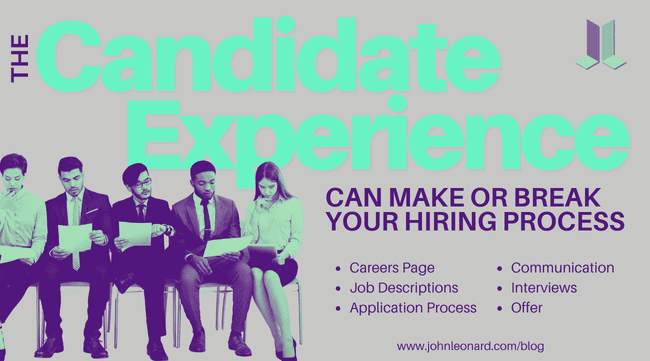
The candidate experience can make or break your hiring process. In a competitive market, it’s one of the few advantages completely within your control. Remember: you’re not the only one conducting interviews. Candidates are evaluating your organization at every step.
Need help streamlining your hiring? Contact our Staffing Consultants today!