

The truth about entry-level job searching in 2026: it sucks! Entry-level job seekers have faced an uphill climb for several years. If you’re pursuing an entry-level role with little to no experience, your frustration is understood and valid. For many job seekers, the emotional weight of the search can feel as heavy as the logistical challenge.
Let’s break down what’s actually affecting the market, why it’s not a reflection of your potential, and how to turn these realities into a strategic advantage. You’ll also find practical, proven tips to stay motivated, stand out, and compete with confidence.
Jump to:
- A View of the Current Entry-Level Job Market
- Why is it So Hard to Find an Entry-Level Job Right Now?
- 4 Strategies that Actually Work
A View of the Current Entry-Level Job Market
Recent discussions on Reddit, LinkedIn, and Glassdoor highlight just how widespread this experience has become. Many job seekers feel overwhelmed by the current market, but understanding the challenges is the first step toward turning them into opportunities.
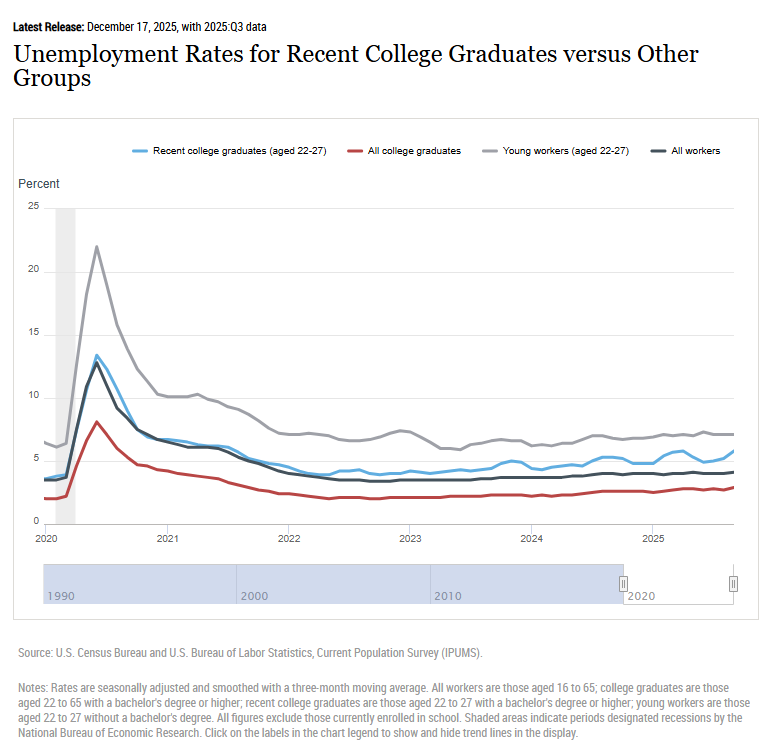
Data from the New York Federal Reserve (see chart below) reinforces this sentiment. Comparative unemployment figures show that unemployment has risen across the board since mid-2023, with the sharpest increases among recent graduates and younger workers, highlighting the importance of proactive skill-building.
Why is it So Hard to Find an Entry-Level Job Right Now?
The short version: a widening skills gap fueled by a tightening labor market, rapid adoption of AI and other technologies, and economic pressure. Many organizations claim to lack the time, budget, or resources to train inexperienced hires. And the job-readiness that new graduates historically entered the workforce no longer meets what’s “in demand.”
According to Cengage’s Graduate Employability Report, “educators, institutions, and employers don’t agree on who’s responsible for career readiness,” effectively shifting that burden to workers themselves.
The report found that unemployment among college graduates rose sharply from 20% in 2024 to 33% in 2025, with job seekers without degrees facing even greater instability. Despite growing evidence supporting skill-based hiring, degree requirements in job postings jumped from 55% in 2024 to 71% in 2025, intensifying competition and pressure while shrinking access and opportunity.
4 Strategies that Actually Work
Tailoring your resume, following up, and networking on LinkedIn are essential job-search strategies. But without direct experience, these tactics alone can fall flat and drain valuable time. These four strategies will help you overcome the challenges of job searching and open pathways to growth.
1. Get Your Mindset Right
Start by getting into the right mindset. Manage expectations, stay honest with yourself, and focus on what you do bring to the table. Even without formal job experience, you have valuable skills and experiences that can make you stand out. A recent article from Harvard explains this perfectly:
“Generally speaking, having no experience in a job means you have not held any positions similar to ones that you are interested in applying for. But, even if you are new to the working world, you have likely gained skills in school, through volunteer work, or through internships that will transfer to the workplace.
2. Embrace and Grow Your Skill Portfolio
In any market, skills are what differentiate you. As technology and AI continue to reshape the workplace, human skills are now among the most in-demand assets for employers.
The list below highlights the essential hard and soft skills employers expect across virtually every role. In lieu of direct experience, these are the core skills that tell the employer you have what it takes to hit the ground running in this market and the future of work.
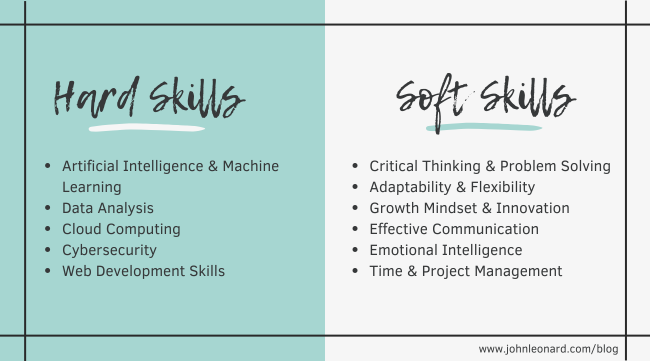
Soft skills are often built through everyday experiences and can be strengthened through internships, temporary roles, and volunteer work. Hard skills can be developed through free or low-cost courses on platforms like LinkedIn Learning and Coursera, which provide certificates of completion to showcase on your resume, LinkedIn profile, and online portfolio. When employers can’t train, a skills portfolio shows you’re job-ready from day one.
3. Connect, Connect, Connect
Personal connections and meaningful relationships. It may be overstated, but that’s because it works. Cengage found that, “In 2025, the most decisive factor in job placement is who you know,” outpacing prior experience, resume/interview skills, a college degree, and plain old luck.
That doesn’t mean sending random LinkedIn requests. Be intentional. Lean on friends, family, former educators, and trusted contacts. Build relationships with recruiters and staffing agencies aligned with your target industries.
4. Keep an Open Mind & Apply Anyway
Your first job won’t be your last. The goal is to build skills, gain experience, and create momentum.
Fear of rejection is real, but skipping opportunities guarantees the outcome. When you see entry- or junior-level roles where you meet most of the requirements, apply. Tailor your resume, write a strong cover letter, and hit submit. You may be more qualified than you think.
Final Thoughts
Finding an entry-level job with no experience is hard; there’s no sugarcoating it. But all is not lost. Focus on building and showcasing your skills, leverage your network, stay open to unconventional paths, and take calculated risks. Each step you take builds momentum toward your first opportunity. With persistence, your breakthrough is closer than you think.
Contact our team today for direct, tailored job search, resume, and interview support.
Source:
Fed of NY Data Chart citation:
Federal Reserve Bank of New York, The Labor Market for Recent College Graduates, https://www.newyorkfed.org/research/college-labor-markets.