

We are in an incredibly stressful and competitive job market, so handling tough interview questions with poise and confidence is more critical than ever.
Today’s hiring managers are mixing psychological curveballs with the traditional tough questions that dig deep. No longer are they just asking basic questions to get the typical “rehearsed” answer. They want authentic reactions, evidence of self-awareness, and real examples of how you handle your day-to-day workload.
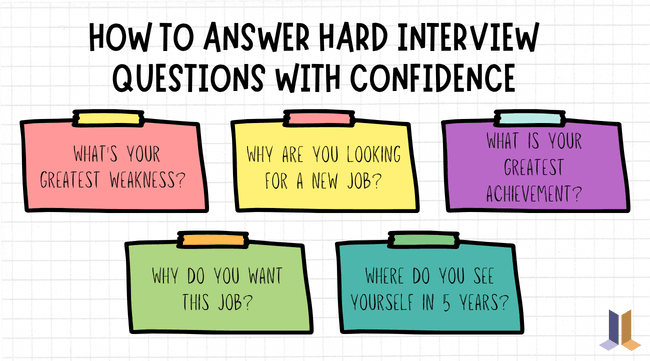
The toughest interview questions aren’t always the most common ones. By understanding the psychology of job interviews, you’ll approach these questions as opportunities rather than obstacles. Read on to learn how to answer five hard interview questions with confidence.
What’s your greatest weakness?
For many, this is the most difficult interview question to answer. The common approach is to answer with one of your actual strengths while disguising it as a weakness. A popular answer is “I’m a perfectionist” or “I work too much.” Going this route risks sounding like everyone else and failing to differentiate yourself from other candidates, potentially eliminating you from contention. Also, key decision-makers may see these answers as red flags. For example, “I’m a perfectionist” can be interpreted as the inability to finish projects on time.
The best answer here is to be honest and choose a weakness you know you can improve. Even better, add that you’ve already been working on that weakness. It shows humility, honesty, and self-awareness about how you’re always proactively looking to improve. Something you could say is:
“In the past, I’ve struggled to delegate tasks and have taken on too much responsibility. This is something I’ve been actively working on over the last year. My ability to recognize when I have too much on my plate, and my delegation skills have greatly improved.”
Why are you looking for a new job?
Here, the hiring manager wants to get the best sense of why you left your previous role or what’s really motivating you to make a move. Never speak negatively about a past or present employer, but explain why you are job hunting confidently and meaningfully. You should also avoid answers that simply state, “It’s just time for a change.” This shows a lack of passion and preparation. A strong answer, you could say, is:
“I’ve learned and developed my career so much at my current employer, which I’m incredibly grateful for. Given their model and limited career progression, I’m now looking forward to an opportunity where I can bring my knowledge and skills to a new organization.”
What is your greatest achievement?
Employers ask this question to best understand what you feel are your most valuable career accomplishments. It gives them a sense of your career priorities, especially if you have several impressive achievements. To best answer, describe a recent achievement and explain how it relates to the job you’re interviewing for. This shows it’s not only important to you, but also that the achievement paints a great picture of how well you fit the role and the organization. Whether it’s process improvement projects that saved money and increased efficiency, or you’ve successfully developed team members as key contributors, let them know! Here’s an example:
“One of my greatest achievements was leading a process improvement initiative that streamlined how our team managed client requests. By creating a more organized workflow and improving communication, we reduced turnaround time by nearly 30% and improved client satisfaction. I’m especially proud of this accomplishment, and it highlights the organizational, problem-solving, and communication skills that directly relate to this role.”
Why do you want this job?
The purpose of this question is to communicate to all of the key decision-makers in the hiring process that you want THIS job, at THIS organization, and at THIS time. The crucial point here is to avoid focusing on financial gains, better benefits, or attractive work-from-home arrangements. This will not resonate as well as you may think. Instead, focus on highlighting your excitement for the position and organization. Let them know how well this aligns with your career goals and how thrilled you are to make an impact:
“I’m excited about this Recruiter opportunity because it combines relationship-building, problem-solving, and helping people grow in their careers, which are all things I genuinely enjoy. I’m especially interested in working for JOHNLEONARD because of its strong reputation and people-first approach. I’m looking for a role where I can make a real impact and contribute to a collaborative team environment, and this position strongly aligns with those goals.”
Where do you see yourself in 5 years?
Throughout the interview process, hiring managers want to understand your career aspirations and ambitions. In doing so, they also want to gauge your long-term commitment to this role. If you were hired, would you be job searching again in a year? Describe how your professional ambitions align closely with this position’s responsibilities, and you are fully committed to contributing to the team’s success for many, many years. Stress that based on the interview process and your own research on the organization, you see yourself continuing to learn, grow, and add value within Company XYZ.
“I see myself continuing to grow within a company where I can take on new challenges, strengthen my expertise, and make a meaningful impact. In a recruiting role at JOHNLEONARD, I’d hope to build strong relationships, become a trusted member of the team, and continue growing within the organization long-term.”
Perfect these strategies, and you will approach any interview knowing you are more prepared than ever to handle these tough questions. You’ll stand out from the crowd of other candidates and land your next dream position soon!
Did you know, JOHNLEONARD offers a FREE Job Seeker Survival Guide? Download yours today and crush your next interview.