


Career gaps are more common than you may think. Whether due to caregiving, health challenges, further education, or unexpected life changes, you’re not alone, you’re not behind, and there are many, many others who have overcome them. Re-entering the workforce may feel intimidating, but with the right mindset and preparation, it’s entirely achievable.
Overcome the Objection
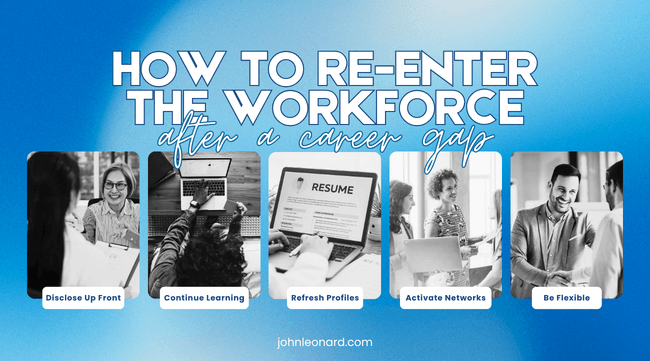
The first step is to reframe your career gap in a positive light. Instead of viewing it as a stain on your resume or a strike against you, be as transparent as possible about your situation and explain the “Why” regarding your gap. The key to overcoming the objection, “we noticed a gap in your resume,” is to address it proactively during interviews with potential employers or recruiters. Be up front and honest about your time away. Disclosing it before someone asks you about it shows a willingness to address it head-on and immediately sets a precedent of transparency with the person you’re speaking with.
Keep Learning
Taking time to update your skills and knowledge shows that you’ve stayed engaged with your field and can boost your confidence and credibility. Consider taking online courses, earning certifications, or attending conferences relevant to your field. Even volunteering or freelance work can help you rebuild experience and demonstrate initiative. These efforts not only enhance your resume but also signal to employers that you’re proactive and committed.
Refresh Your Profiles
Refreshing your resume and online presence is another essential step. While not working and job-seeking, having a highly visible, consumable online presence is paramount to securing new employment. On your LinkedIn profile, resume, and/or cover letter, briefly address your career gap (the “why”) and provide a summary of what kept you from working. Today, more than ever before, candidates are ruled out of consideration for positions because of their lack of transparency.
Engage Connections
Networking can also play a powerful role in your return. Reach out to former colleagues, managers, or friends in your industry and let them know you’re actively trying to re-enter the workforce. Attend events, join professional groups, and engage in online communities. You never know what doors may open. While it may feel like you’re making yourself vulnerable to judgment from peers, your vulnerability shows proactivity, and that proactivity stands out to decision-makers. Many opportunities arise from new or personal connections, so don’t underestimate the value of being vulnerable and starting conversations. If they don’t know your story, all they’ll see is your resume or LinkedIn profile.
Stay Flexible
As you begin applying for jobs, stay as open and flexible as possible. You may consider temporary roles, part-time positions, or returnship programs (often offered by larger companies) designed specifically for individuals coming back after a break. These opportunities can help you rebuild confidence, gain recent experience, and transition into long-term roles. While it’s important to have goals and stand by them, being adaptable and available can make the process smoother. The best ability is availability, and those who are proactive in making themselves available will get the first kick at the can. Why? Because it’s evident they’re interested and want it.
Re-entering the workforce after a career gap is a journey, but it’s one you can navigate successfully by going about it the right way. Those who are transparent and proactive will be rewarded, and those who remain idle will not. By going the extra mile, you put yourself in a fantastic position to secure your next great role.
Want personalized job search support? Contact our team today!